
Natural Remedies for Anxiety in Menopause
Anxiety can become more noticeable during perimenopause and menopause. Hormonal changes, disrupted sleep, hot flashes, stress and other changes can all contribute to feeling more restless or overwhelmed.
This guide explores natural approaches that may support calm, better sleep and overall well-being during this stage of life, including lifestyle habits and herbal support.
Understanding Anxiety During Menopause
If you are experiencing new or increased anxiety during perimenopause or menopause, you are not alone. Changes in hormones can occur alongside changes in sleep, body temperature, mood and daily stress levels.
The goal of natural support is not to promise an instant cure. Instead, it is to build a collection of healthy habits and, when appropriate, carefully selected herbal products that fit into your overall wellness routine.
Why Can Menopause Affect Anxiety?
Menopause is a major transition, and anxiety can have more than one contributing factor.
Hormonal changes
Estrogen and other reproductive hormones change substantially during the menopause transition. These changes can occur alongside changes in mood and emotional well-being.
Sleep disruption
Night sweats, hot flashes and difficulty staying asleep can leave you tired during the day. Poor sleep can make everyday stress feel harder to manage.
Physical changes
Changes in body temperature, energy, heart rate sensations and other physical symptoms can sometimes contribute to feelings of uneasiness or worry.
Life stress
Menopause often occurs during a busy stage of life. Work, family, relationships, changing responsibilities and other sources of stress can overlap with the physical transition.
Natural Remedies for Anxiety in Menopause
There is no single natural remedy that works for everyone. A better approach is to look at several areas that influence relaxation, sleep, stress and overall health.
Prioritize Sleep
Create a consistent bedtime routine and keep the bedroom cool, comfortable and as dark as possible. Limiting late-day caffeine may also help some people sleep more comfortably.
Gentle Movement
Walking, stretching, yoga, swimming and other forms of regular movement can support physical health while providing a healthy outlet for everyday stress.
Slow, Deep Breathing
Slow breathing can be a simple way to create a pause when you feel tense. Try breathing slowly and comfortably rather than forcing deep breaths.
Balanced Nutrition
Regular meals built around vegetables, fruits, whole grains, protein, healthy fats and adequate hydration can support overall wellness throughout the menopause transition.
Mindfulness & Relaxation
Meditation, journaling, prayer, quiet time and other relaxation practices can help create space between stressful thoughts and your response to them.
Herbal Support
Some herbs have traditionally been used in calming and sleep-support formulas. Herbal products should be selected carefully because herbs can interact with medications and may not be appropriate for everyone.
Menopause Anxiety and Sleep Can Be Closely Connected
One of the frustrating parts of menopause anxiety is that sleep and anxiety can affect one another. A difficult night can leave you feeling more stressed the next day, while a racing mind can make it harder to fall asleep.
That is why a natural wellness routine should look beyond anxiety alone. Creating better sleep habits, managing evening stimulation, getting regular movement and finding calming practices that work for you can all be useful pieces of the bigger picture.
Herbs Commonly Used in Calming Herbal Formulas
Several herbs have a long history of traditional use in herbal preparations intended to support relaxation or sleep. The evidence, safety and appropriate use can vary considerably from one herb to another.
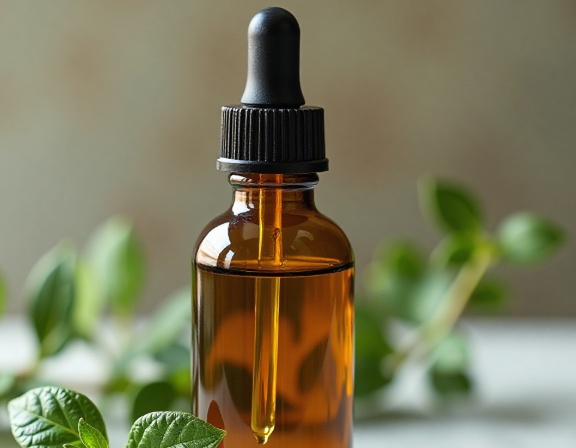
Nerve Formula
Genesis Living Herbal’s Nerve Formula is an herbal blend created for people looking for natural support as part of their wellness routine. It is particularly relevant to people exploring herbal approaches to relaxation and sleep during the menopause transition.
The formula includes herbs traditionally associated with calming and relaxation, including ingredients such as valerian, passionflower, hops and skullcap.
- Designed as an herbal wellness formula
- Convenient alternative to combining multiple individual herbs
- Relevant for people exploring natural relaxation and sleep support
- Can be considered as part of a broader menopause wellness routine
If you are interested in Nerve Formula, visit Genesis Living Herbal to learn more about the product and contact us with questions about its use.
Simple Ways to Support Your Body During Menopause
Natural support works best as part of a broader approach to health. Consider these everyday habits alongside any herbal routine.
Keep a regular schedule
Consistent wake and sleep times can make it easier to establish a predictable nighttime routine.
Pay attention to caffeine
Some people find that caffeine, especially later in the day, makes restlessness or sleep problems more noticeable.
Move your body
Regular walking and other enjoyable physical activity can support cardiovascular health, mobility, mood and sleep.
Give yourself time to unwind
Reading, stretching, breathing exercises, meditation or a quiet evening routine can help create a transition from daytime activity into rest.
When Should You Talk With a Healthcare Professional?
Anxiety during menopause can be uncomfortable, but it should not simply be assumed to be caused by hormones. New, severe, persistent or rapidly worsening symptoms deserve appropriate medical attention.
- Anxiety is interfering with work, relationships or daily activities.
- Sleep problems are persistent or significantly affecting your health.
- You are experiencing severe panic, depression or major mood changes.
- You have physical symptoms that are new, severe or concerning.
- You are taking medications and want to add an herbal product.
A healthcare professional can help determine whether symptoms are related to menopause, another health condition, medication effects or a combination of factors, and can discuss treatment options with you.
Natural Remedies for Anxiety in Menopause: FAQs
Can menopause cause anxiety?
Anxiety can become more noticeable during perimenopause and menopause. Hormonal changes, sleep disruption, physical symptoms and life stress can all contribute to how a person feels during this transition.
What are natural remedies for anxiety in menopause?
Natural approaches can include improving sleep habits, regular physical activity, relaxation techniques, balanced nutrition, stress-management practices and, when appropriate, carefully selected herbal products.
What helps with menopause anxiety naturally?
There is no single approach that works for everyone. Many people start with consistent sleep, movement, relaxation practices, attention to caffeine and nutrition, and then discuss additional options such as herbal support with a healthcare professional.
Can menopause anxiety affect sleep?
Yes. Anxiety can make it harder to fall asleep or return to sleep after waking. At the same time, repeated poor sleep can make daytime stress and anxious feelings harder to manage.
Are herbs used for menopause anxiety?
Some herbs are traditionally included in products intended to support relaxation, sleep or menopausal wellness. However, herbs can have side effects and interactions, so they should be selected carefully.
What is Nerve Formula?
Nerve Formula is a Genesis Living Herbal herbal blend intended as natural wellness support. It contains herbs traditionally used in calming and relaxation-focused herbal preparations.
Should I talk with my doctor before using an herbal formula?
If you take medication, have an underlying health condition, are pregnant or breastfeeding, or have significant or persistent symptoms, it is appropriate to discuss herbal products with a qualified healthcare professional before using them.
Looking for Natural Support During Menopause?
Understanding what may contribute to menopause anxiety is the first step. From better sleep and daily movement to relaxation practices and herbal wellness support, there are several areas you can explore.
Explore Genesis Living Herbal