
Oregano Oil for Skin: Benefits, Uses & Safety
What Is Oregano Oil?
Oregano oil is a concentrated botanical oil made from oregano, including species such as Origanum vulgare. It contains naturally occurring plant compounds including carvacrol and thymol, which have been studied for their antimicrobial and biological activity.
Interest in oregano oil for skin has grown because laboratory and preclinical research has explored how oregano oil and its constituents interact with microorganisms, inflammatory pathways, and skin cells.
That research is interesting, but it is important to separate laboratory findings from proven medical treatments. Oregano oil should not be considered a substitute for professional diagnosis or treatment of a skin condition.
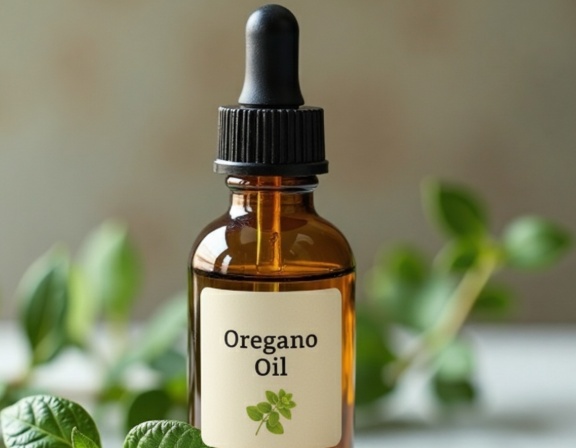
Oregano Oil Benefits for Skin
When people search for oregano oil benefits for skin, they are often interested in its natural antimicrobial properties, plant compounds, and potential role in topical skin care.
Research has examined oregano essential oil because compounds such as carvacrol and thymol can affect certain microorganisms in laboratory settings. Researchers have also investigated oregano oil’s effects on inflammatory and tissue-related pathways.
These findings make oregano oil an interesting botanical ingredient for skin care, but they do not establish oregano oil as a proven treatment for acne, eczema, psoriasis, fungal infections, wounds, or other medical conditions.
Why Is Oregano Oil Being Studied for Skin?
Much of the interest in oregano oil comes from naturally occurring compounds including carvacrol and thymol.
Carvacrol
Carvacrol is one of the major phenolic compounds found in many oregano oils. Laboratory research has investigated its antimicrobial activity and effects on biological pathways.
Thymol
Thymol is another naturally occurring compound associated with oregano. Research has examined thymol for antimicrobial activity and its potential contribution to oregano oil’s biological activity.
Topical Skin Care
Oregano oil continues to be explored as a botanical ingredient for topical formulations and natural skin-care applications.
Potential Uses of Oregano Oil in Skin Care
Oregano oil is sometimes included in natural skin-care routines because of its botanical compounds and laboratory research. Areas of interest include:
Skin Cleansing
Oregano oil has demonstrated antimicrobial activity in laboratory studies, which is one reason it continues to be investigated for topical applications.
Acne-Prone Skin
Because certain microorganisms have been studied in relation to oregano oil, researchers have investigated its potential in skin-care formulations for acne-prone skin. Human clinical evidence remains limited.
Skin Microbial Balance
Laboratory studies have found oregano oil activity against several microorganisms. Laboratory activity, however, does not establish that oregano oil treats a skin infection in people.
The important distinction: oregano oil research is interesting in several areas, but much of the evidence remains laboratory, cellular, animal, or preclinical research. More human research is needed before strong medical claims can be made.
How to Use Oregano Oil on Skin
If you are considering topical oregano oil, concentration is an important consideration. Oregano essential oil can be highly concentrated, and applying an undiluted essential oil directly to the skin may cause irritation.
Not every oregano oil product is formulated the same way. Some products are concentrated essential oils, while others are prepared in a carrier oil or formulated specifically for topical use.
Always follow the manufacturer’s directions for the particular product you are using.
- Check the product label before applying oregano oil to your skin.
- Do not apply concentrated oregano essential oil directly to the skin unless the product specifically states that it is formulated for direct topical use.
- If dilution is required, follow the dilution instructions supplied for that product.
- Keep oregano oil away from the eyes and other sensitive areas.
- Consider a small patch test before broader topical use.
- Stop using the product if significant burning, redness, swelling, itching, or other irritation occurs.
Oregano Oil Skin Safety
Natural does not automatically mean irritation-free. Oregano essential oil is concentrated, and published medical literature includes reports of irritant contact dermatitis following topical exposure.
People with sensitive skin, existing skin conditions, allergies, or other health concerns should consider speaking with a qualified healthcare professional before using concentrated essential oils on the skin.
Oregano oil should not be applied to the eyes, mucous membranes, or significant open wounds. If you have a persistent, spreading, painful, infected, or otherwise concerning skin problem, seek appropriate medical care.
Oregano Oil and Topical Use Beyond the Skin
Interest in oregano oil is not limited to skin care. Some people also search for information about applying oregano oil to the back and spine as part of a natural wellness routine.
If that is what brought you to this page, we’ve created a separate guide that focuses specifically on the subject: Oil of Oregano on the Spine: Uses, Benefits & Safety.
That guide explains the difference between applying an oil to the skin over the back and actually treating the deeper structures of the spine.
What Does the Research Say?
Scientific interest in oregano oil is largely connected to compounds such as carvacrol and thymol. Researchers have examined oregano oil in laboratory models involving microorganisms, inflammation, and skin-related biological activity.
A laboratory or cell study can provide useful information about how a plant compound behaves, but it cannot by itself establish that applying oregano oil to human skin will produce the same result.
For that reason, oregano oil is best discussed as an interesting botanical ingredient under investigation rather than as a proven treatment for specific skin diseases.
Choosing a Quality Oregano Oil
When comparing oregano oil products, look beyond the front label. A quality product should clearly identify what it contains and provide understandable directions for use.
- Look for clear ingredient information.
- Know whether the product is concentrated oregano essential oil or a diluted preparation.
- Look for clear directions regarding topical use.
- Choose a company willing to explain its products.
- Be cautious of products that promise to cure numerous unrelated diseases or conditions.
At Genesis Living Herbal, the goal is simple: provide herbal products with care while giving customers useful information about the plants and preparations they are considering.
We believe people should be able to learn about an herbal product, understand how it is intended to be used, and make informed decisions about whether it belongs in their personal wellness routine.
Frequently Asked Questions About Oregano Oil for Skin
Is oregano oil good for skin?
Oregano oil contains compounds such as carvacrol and thymol that have been studied for antimicrobial and other biological activity. Research involving skin cells and laboratory models is interesting, but there is not enough evidence to say that oregano oil is a proven treatment for specific skin diseases.
Can you put oregano oil directly on your skin?
Concentrated oregano essential oil should not automatically be applied directly to skin. Whether dilution is necessary depends on the formulation. Follow the product’s topical-use instructions.
Can oregano oil help acne?
Oregano oil has demonstrated antimicrobial activity in laboratory research, which is one reason it has attracted interest for acne-related skin care. However, laboratory findings do not prove that topical oregano oil treats acne in people.
Is oregano oil safe for sensitive skin?
Sensitive skin may be more prone to irritation from concentrated essential oils. Use caution, follow product directions, and consider a small patch test before broader topical use.
What are the main compounds in oregano oil?
Carvacrol and thymol are among the best-known naturally occurring compounds found in oregano oil. The exact chemical profile can vary depending on the oregano species, growing conditions, extraction method, and formulation.
Can oregano oil treat a skin infection?
Oregano oil has demonstrated antimicrobial activity in laboratory research, but that does not establish it as a medical treatment for skin infections. A suspected infection should be properly evaluated.
A Thoughtful Approach to Herbal Skin Care
Oregano oil is an interesting botanical with a long history of traditional use and a growing body of scientific research. Its naturally occurring compounds, particularly carvacrol and thymol, continue to attract scientific interest.
At the same time, responsible herbal education means recognizing the difference between traditional use, laboratory research, and proven clinical treatment. That distinction matters when choosing any natural product for personal use.
If you are interested in oregano oil for skin, learn what is in the product, understand how it is intended to be used, and use appropriate caution with concentrated oils.
Explore Oregano Oil from Genesis Living Herbal
Learn more about Genesis Living Herbal and our oregano oil products.
Explore Genesis Living HerbalThis information is provided for educational purposes and is not intended to diagnose, treat, cure, or prevent disease. It is not a substitute for advice from a qualified healthcare professional.